

Warehouse for Lease
We have available on the market an excellent warehouse and office space for lease in Western Sydney. More Info…
Services
Products
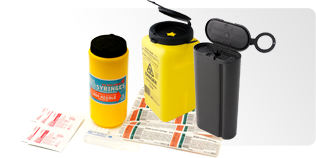
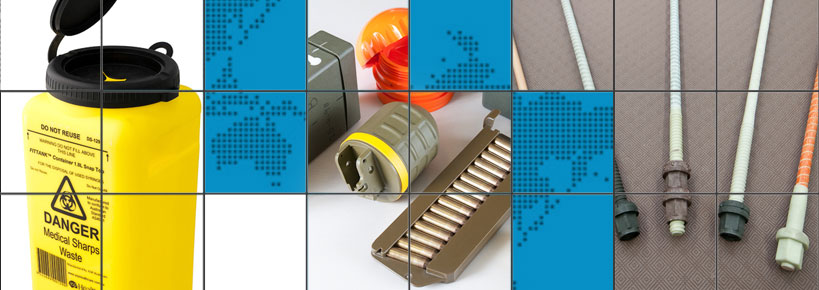
In addition to being industry leading custom moulder, ASP also hold our own patents and trade marks, on over 200 of our own products.
- Medical Products
- Harm Reduction Products
- Leisure & Gaming Machines
- All products
Awards
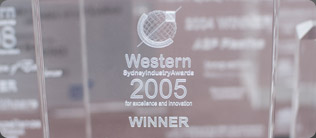
ASP Plastics won the Western Sydney Industry Award several times in the last years including 2004, 2005, 2006, 2007 and 2008.
ASP Plastics was a finalist at the BioFirst Commersialisation Awards
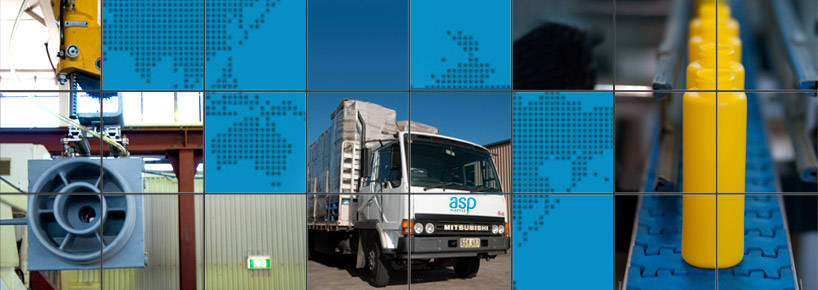
Welcome to ASP Plastics, a Western Sydney based specialist in Plastic Injection Moulding and Blow Moulding services, which has been exceeding our clients requirements since 1960. With over eight acres of land and large amounts of high-tech machinery to support both Injection Moulding and Blow moulding, ASP Plastics are a perfect solution to fulfil your business needs.
Globally recognised within the industry and with a presence beyond just our Sydney base we are a market leader for Plastic Moulding and reflect that in the quality of service you will receive when working with ASP Plastics. We are also actively involved within the community from large scale Government assistance with key decision making down to sponsoring local soccer and rugby clubs, we see the positive impact our presence has on the local community and this is one of our most satisfying achievements.
Despite focussing primarily on Plastic Moulding we also boast a Clean Room which is one of Australia’s largest and most advanced at 12,300 square feet and can also support Tool Making and Sonic Welding services. Our broad range of services allow our clients to complete their projects to the highest standard and we have nothing but positive feedback on our machinery, our facilities and our service overall.
Please contact us today to discuss your requirements in more detail or indeed arrange an appointment to visit ASP Plastics premises and plan your project with our expert team.